A Comprehensive Look at India’s Underground Lottery: Satta Matta Matka
 Posted On
The Persistent Occurrence
The name Satta Matta Matka is well-known across India and refers specifically to the illegal lottery and gambling game that has influenced many facets of life for many years. Despite being mostly prohibited in the nation, its persistent appeal has caused it to transform from a conventional, physical game to one with a large online following. This article explores the history, workings, and social ramifications of this widespread betting practice.
A Historical Tour: From Digital Draws to Cotton Rates
Following independence, the narrative of “Satta Matta Matka” starts in the 1950s. At first, it was betting on the opening and closing cotton prices that were sent by teleprinters from international exchanges to local markets. The colloquial term for this early version was “Ankada Jugar,” which translates to “figures gambling.”
The game’s pioneers adjusted when the first supply of these cotton rates stopped. New techniques for producing random numbers were developed by figures from that period. One popular method was drawing slips from a big earthenware pot, or “matka”; this custom eventually gave the game and its variants its name. While the basic idea of placing bets on these arbitrary results persisted, the practice of drawing numbers using playing cards also spread throughout time. This betting business peaked in the second half of the 20th century, especially in big cities like Mumbai, where it generated enormous profits. Its old, tangible manifestations have, however, declined as a result of increased police inspection and more stringent rules, which have forced much of the activity underground and online.
Knowing the Mechanics and Gameplay
Satta Matta Matka is fundamentally a game of pure chance that centres on number selection and combination. Typical gaming entails:
- First Number Selection: To start, players choose three single-digit numbers, often ranging from 0 to 9.
- First Combination: The sum of these three selected integers is then calculated. The last digit of this total, which is added to the first three numbers to create a preliminary set of four digits, is the only one deemed relevant. The first set would be two, five, seven, and four, for example, if the chosen numbers are two, five, and seven. Their total is fourteen.
- Second Combination: Another four-digit combination is produced by selecting a second pair of three numbers and processing them in the same way. The numbers two, six, and eight, for instance, add up to sixteen, creating a second set of two, six, eight, and six.
- Final Outcome: The whole “Satta Matta Matka” number (two, five, seven, four and two, six, eight, six) is created by combining the two resultant four-digit groupings.
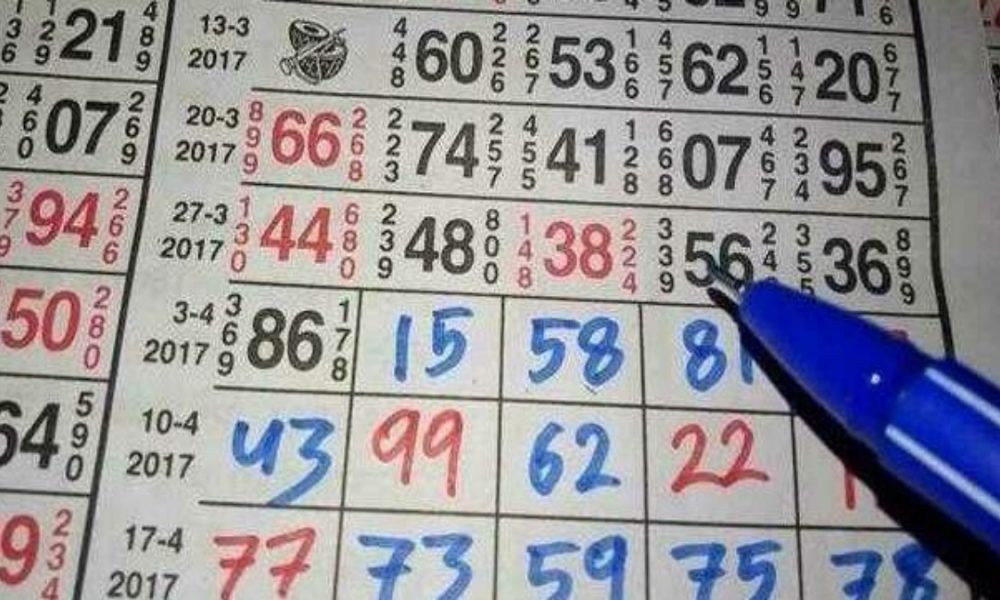
- Betting Varieties: Bettors have the option to make a variety of wagers with varying payoff schedules. These include placing a wager on a single number, a pair of two numbers, a three-digit result (often referred to as a “patti” or “panel”), or the separate “open” and “close” outcomes, which are usually declared at certain times throughout the day. Madhur day panel chart is an example of such a chart used to track and display these results for specific betting markets.
With the development of digital technology, Satta Matta Matka has moved to online platforms, while the previous approach depended on manually pulling numbers from a matka. Although this change has increased the game’s accessibility, it still operates in a legally murky area.
India’s Legal Situation and Related Risks
Under the Public Gambling Act of 1867, the great majority of gambling activities, including “Satta Matta Matka,” are illegal in India. The extensive operation of “Satta Matta Matka” is still illegal in most of the nation, despite the fact that certain states have legislation that allow controlled forms of gambling, such as state lotteries or casinos in specified regions (like Goa and Sikkim). Due to its clear classification as a “game of chance” as opposed to a “game of skill,” it is subject to strict regulatory procedures and penalties.
Despite being illegal, “Satta Matta Matka” is nonetheless popular because of the allure of quick money rewards, the fact that it is ingrained in certain people’s history and culture, and the convenience of internet platforms. However, there are significant hazards associated with this kind of betting:
- Legal Repercussions: If detected engaging in or aiding unlawful gambling operations, players and operators may be subject to harsh sanctions, such as fines and jail time.
- Significant Financial Loss: Because “Satta Matta Matka” is mostly a game of chance, players regularly suffer significant financial losses, which may lead to debt, poverty, and extreme financial suffering for both the players and their families.
- Gambling Addiction: Similar to other types of gambling, “Satta Matta Matka” has the potential to cause serious addiction, which may have disastrous effects on one’s finances, relationships, and mental health.
- Fraud Vulnerability: Players are exposed to a number of hazards in the unregulated world of online “Satta Matta Matka” platforms, including as fraudulent schemes, rigged games, manipulation of outcomes, and the possibility that wins won’t be paid out. In these situations, gamers have no legal options and no consumer protection.
In conclusion
“Satta Matta Matka” symbolises a complicated and divisive aspect of Indian society and culture. Its transformation from an unofficial betting activity to a popular internet phenomenon highlights how people have always been fascinated by chance. But it’s important to understand the serious legal limitations and inherent risks of this activity. A comprehensive awareness of the legal ramifications and the possibility of significant damage is crucial for anybody thinking about becoming involved, highlighting the need of acting responsibly and putting one’s own welfare ahead of possible financial benefit.